
Spring Land Grading Services to Prepare Your Property
Spring is the perfect time for property owners to plan land grading projects that enhance drainage, improve landscape stability, and prepare their property for the seasons ahead with trusted local contractors.
Spring is often considered an ideal season to evaluate and plan land grading projects. As the weather warms and the ground thaws, property owners have better conditions for assessing their outdoor spaces. Spring provides an opportunity to address uneven terrain, drainage issues, or prepare the land for upcoming landscaping or construction work. Planning during this season allows for necessary groundwork to be completed early, setting a solid foundation for summer projects and ensuring that the property remains functional and visually appealing throughout the warmer months.
Land grading services typically encompass a range of tasks aimed at shaping and leveling the terrain to meet specific needs. This may include removing excess soil, filling in low spots, creating proper slopes for drainage, or establishing a stable base for patios, lawns, or structures. Many local contractors also offer site preparation services, which can involve clearing debris, excavating, and ensuring the land is properly compacted. The goal of these services is to improve the land’s usability, prevent water accumulation, and support future landscaping or construction efforts.
Property owners seeking land grading work can compare local service providers by considering their experience, reputation, and scope of services offered. It’s helpful to review any available credentials or references, and to discuss the specific requirements of the project to ensure the contractor’s expertise aligns with those needs. Additionally, exploring multiple options allows property owners to gather information about different approaches and methods, helping to identify the most suitable local contractors for the job. This comparison process can lead to a more informed decision and successful project outcome.
Compare local contractors and outline your priorities to plan a successful spring land grading project.
- Seasonal Planning - Spring is an ideal time to prepare land for upcoming outdoor projects.
- Site Assessment - Local contractors can evaluate terrain and soil conditions to determine grading needs.
- Drainage Solutions - Proper grading helps manage water flow and prevent flooding issues.
- Project Coordination - Connecting with experienced service providers ensures the work aligns with seasonal landscaping goals.
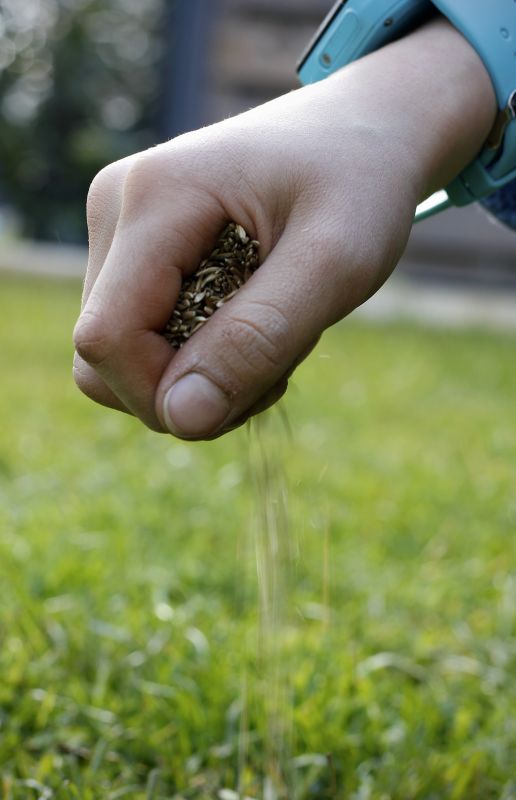
Before comparing options, clearly describe your land grading project to help local contractors recommend the best approach.
- Assess slope and drainage patterns - ensure the land slopes away from structures to prevent water pooling and erosion.
- Check for existing uneven areas - identify spots that require grading to create a level and stable surface.
- Look for debris or obstructions - clear away rocks, roots, and other materials that could interfere with proper grading.
- Evaluate soil stability and compaction - determine if the soil needs additional compaction or stabilization before grading.
- Identify high and low spots - pinpoint areas that need to be raised or lowered to achieve proper land contouring.
- Consult with local contractors about grading options - discuss the best approaches for achieving a smooth, well-drained landscape.
Use land grading ideas to help refine your project scope with experienced local contractors.
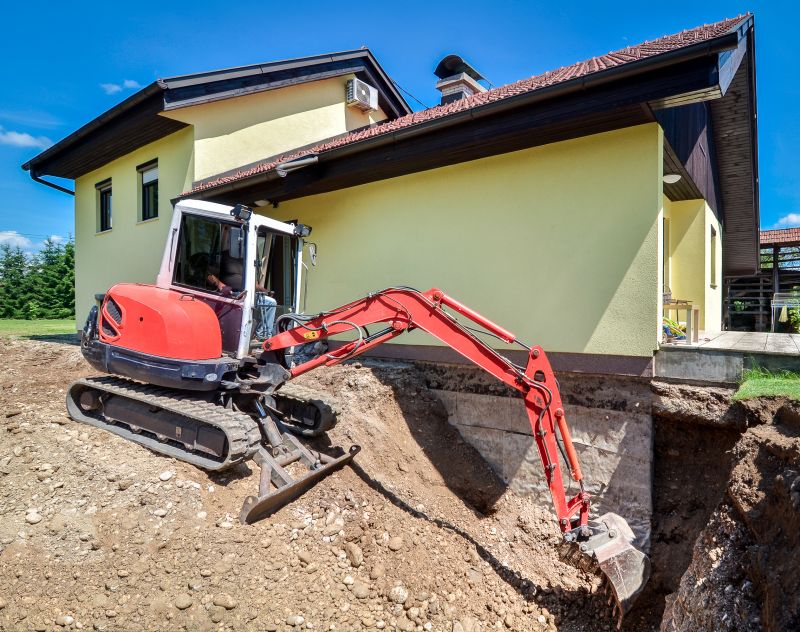
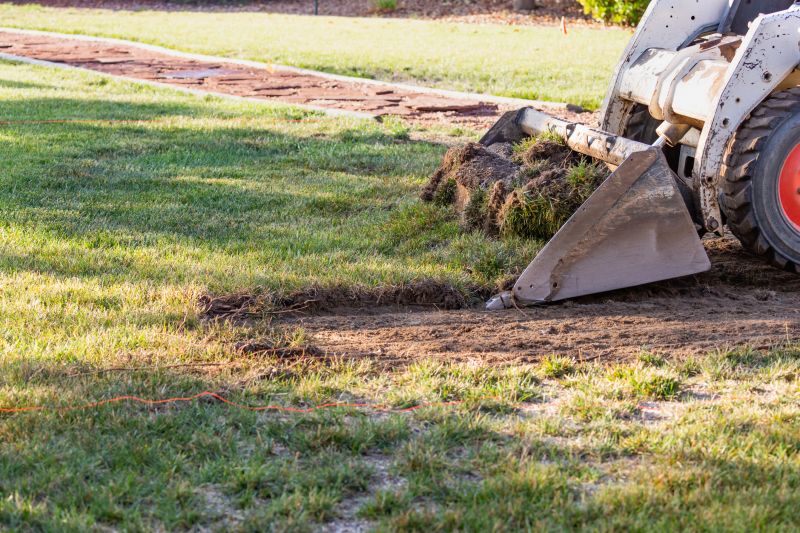
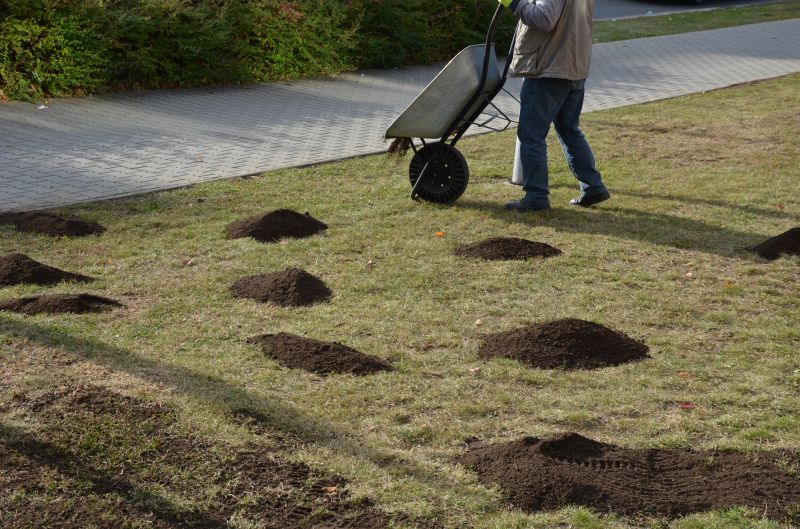
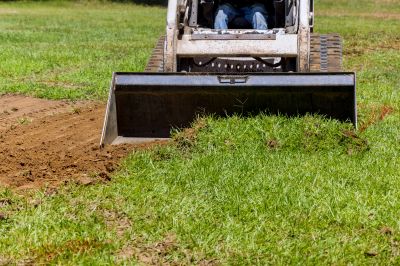
Spring is a great time to plan land grading projects by setting priorities and comparing local contractors.
- Land grading for drainage involves shaping the land to ensure proper runoff and prevent water pooling around structures. Local contractors can assess the terrain and perform grading to promote effective water flow during spring rains. Preparing the yard for landscaping includes leveling and smoothing the soil surface to create a solid foundation for planting and garden beds. Service providers can handle grading to improve soil stability and support healthy plant growth. Creating a gentle slope for outdoor features helps direct water away from patios, walkways, and foundations, reducing erosion risks. Experienced land graders can shape the landscape to achieve optimal drainage and aesthetic appeal.
Compare land grading options from local contractors to ensure consistent quality and suitability for spring projects.
- Assess Site Topography - Define existing land contours and identify areas requiring grading adjustments.
- Determine Drainage Requirements - Establish proper slope directions and flow paths to prevent water pooling.
- Identify Obstructions and Utilities - Locate underground utilities and surface obstructions that may impact grading plans.
- Select Appropriate Grading Techniques - Choose methods suitable for achieving desired land elevation and surface smoothness.
- Establish Material and Equipment Needs - Specify the types of fill material and machinery necessary for completing the grading project.
When considering land grading projects during the spring season, it’s important to evaluate the experience of local contractors with similar types of work. Homeowners should look for service providers who have a history of completing projects comparable in scope and complexity, such as yard leveling, drainage correction, or slope adjustments. An experienced contractor can better anticipate potential challenges and provide insights into effective techniques, helping ensure the project meets the desired outcome.
Clear, written scope of work is a key factor in comparing land grading options. Homeowners should request detailed descriptions of what the project will entail, including specific tasks, materials, and the extent of grading. Having a well-defined scope helps prevent misunderstandings and ensures all parties share the same expectations. It also makes it easier to assess whether a contractor’s approach aligns with the homeowner’s goals for springtime yard refresh or preparation.
Work planning considerations are essential when evaluating local service providers for land grading. Homeowners should inquire about how contractors plan and organize their work, including site preparation, equipment use, and project sequencing. A well-thought-out plan can minimize disruptions and ensure the project progresses smoothly. Additionally, understanding how contractors account for spring-specific factors, such as soil moisture levels and weather conditions, can help determine their readiness to handle seasonal challenges.
Evaluating options without focusing solely on prices involves examining the qualifications, communication, and project approach of local contractors. Homeowners can compare how clearly each service provider explains their process, the level of detail in their proposals, and their responsiveness to questions. Considering these aspects can lead to selecting a contractor with a thorough understanding of land grading in spring, ensuring the project is handled efficiently and effectively by a knowledgeable professional.
Request written scope details to ensure clarity and consistency for your spring land grading project.
- Scope Clarification - What specific land grading services do local contractors typically include in spring projects?
- Provider Comparison - How do local service providers differ in their approaches to preparing land for spring landscaping?
- Experience & Specialization - What experience do local contractors have with spring-focused land grading tasks?
- Service Offerings - Which land grading techniques are most commonly used by local providers during the spring season?
- Scope Definition - How can homeowners clearly define the scope of land grading needed for spring yard refreshes?
What is land grading? Land grading involves leveling or sloping the ground to improve drainage, create a stable foundation, or prepare the terrain for landscaping or construction projects.
Why is spring a popular time for land grading projects? Spring offers favorable weather conditions for outdoor work, making it an ideal season for preparing land ahead of summer landscaping or construction activities.
How do local contractors determine the scope of a land grading project? They assess the existing terrain, drainage needs, and desired land features to develop a plan that ensures proper ground leveling and stability.
What are common reasons to consider land grading in spring? Common reasons include improving drainage, preparing for planting or landscaping, and ensuring a solid foundation for future construction projects.
What should be considered before starting a land grading project? It’s important to evaluate the current land condition, understand local regulations, and consult with experienced service providers to plan effectively.
How can local service providers assist with land grading during spring? They offer expertise in assessing terrain, recommending grading solutions, and executing the work to help achieve a well-prepared outdoor space.
Spring is an ideal time to prepare outdoor spaces with effective land grading, helping to improve drainage, create level surfaces, and enhance the overall landscape. Visitors learned about the importance of proper grading techniques and how they can support a healthy, functional yard. To find the right local contractors for the job, consider using the quote form to compare options and connect with experienced service providers in the area.
Taking the time to explore local land grading services can ensure that seasonal projects are handled by qualified professionals who understand regional conditions. Using the quote form allows for easy comparison of local options, making it simple to find the right service providers to meet specific project needs and preferences.
Providing clear details about your land grading project helps local contractors understand your needs and offer suitable solutions.
- Site Preparation - Share details about the current condition of the land and any existing features that may impact grading.
- Project Goals - Describe the desired outcome for the land, such as level surfaces or proper drainage.
- Soil and Terrain - Provide information about soil type, slopes, and any obstacles that could affect grading work.
- Accessibility - Indicate access points and any restrictions that local contractors should be aware of for equipment and materials.